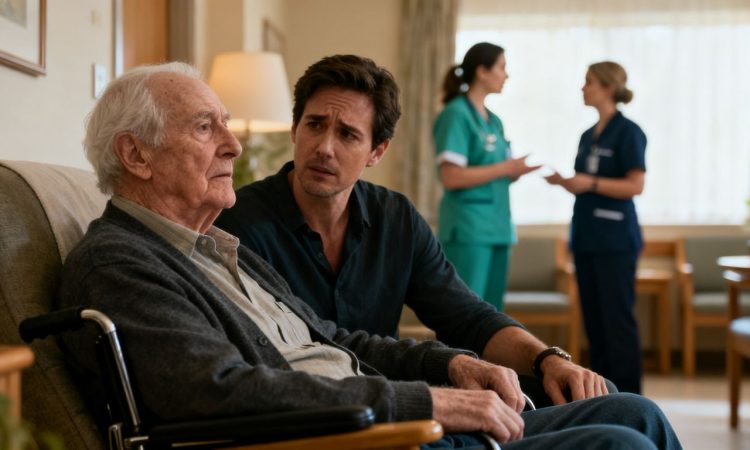
A nursing home may have difficulty meeting residents’ needs when too few staff members are available for the work on a shift. That pressure can lead to rushed or missed care, and it may also weaken the oversight that helps protect residents. Understaffing does not excuse mistreatment, but it can create conditions in which neglect or abuse is more likely to occur.
Rushed care increases the risk of missed needs
When workers must divide their time among many residents, routine tasks can be delayed or hurried. A resident may wait for help getting to the bathroom, receive less assistance at mealtime, or have a call bell go unanswered. One delay may seem small, but repeated missed needs can affect a resident’s health and dignity.
Overworked staff may become frustrated or act inappropriately
Long shifts, heavy workloads, and repeated interruptions can wear down caregivers. Most staff members continue to treat residents respectfully, but severe strain can contribute to impatience, harsh language, or other inappropriate conduct. Stress is not an excuse for abusive behavior; it is a reason facilities need adequate staffing and clear ways to address concerns.
Poor supervision can allow misconduct to go unnoticed
Managers and clinical supervisors need time to observe care, respond to reports, and follow up on changes in a resident’s condition. When leadership is stretched thin, warning signs may receive less attention and staff may have fewer opportunities for guidance. Residents can be left less protected if complaints are not reviewed or repeated problems are not corrected.
Inadequate training can compound staffing problems
New or temporary employees may be unfamiliar with a resident’s care plan, communication needs, or safe transfer techniques. Training gaps matter even more when the shift is busy and experienced workers have little time to provide support. Clear orientation and accessible supervision help reduce avoidable mistakes, though they cannot make up for staffing levels that are insufficient for residents’ needs.
Forms of harm linked to inadequate staffing
The effects of understaffing can range from missed daily care to serious injury. Some problems develop gradually, while others may become apparent after a single event. Families should consider the resident’s overall condition and the pattern of care, rather than assume that every isolated concern has the same cause.
Neglect of basic needs, including food, hydration, and hygiene
Residents may need hands-on help with eating, drinking, bathing, dressing, or toileting. If assistance is late or incomplete, a person can become uncomfortable, dehydrated, or less able to maintain personal hygiene. Repeated lapses can also leave a resident feeling ignored or embarrassed, especially when the person cannot easily ask for help.
Medication errors and delays in medical attention
A busy shift can make it harder to keep medication routines and follow-up tasks on schedule. A dose may be delayed, a change in symptoms may not be promptly reported, or a resident’s request for help may not reach the right clinician quickly. Families who notice a change should ask what happened, when staff became aware of it, and what steps were taken.
Falls, pressure injuries, and other preventable harm
Residents who need help standing, walking, or changing position may be at risk when assistance is not available in time. Missed repositioning or delayed attention to skin changes can also contribute to injury. These outcomes have many possible causes, so a family should seek a clinical explanation rather than conclude from an injury alone that neglect occurred.
Emotional, verbal, and physical mistreatment
Neglect is not the only concern. A resident may be mocked, threatened, handled roughly, or left frightened by a staff member’s behavior. Understaffing can reduce oversight and heighten stress, but abuse remains unacceptable regardless of the circumstances; reports of immediate danger require prompt attention.
Warning signs families may notice
Families often know a resident’s usual appearance, mood, and routines better than anyone outside the facility. A change does not prove that staffing caused harm, but it can be a reason to ask specific questions and request an assessment. It may help to note what changed and whether the same concern appears again.
Changes in a resident’s health or personal hygiene
Unwashed clothing, poor grooming, or recurring difficulty getting basic assistance may indicate that care needs are not being met. Changes in alertness, appetite, or general comfort can also deserve follow-up, particularly when staff have not explained them. Families can use a brief record of observations to make a conversation with the care team more concrete.
Unexplained injuries, weight loss, or worsening mobility
Bruises, skin injuries, weight changes, or a sudden decline in mobility should prompt questions about timing and circumstances. These changes may have medical explanations, but the family is entitled to ask what staff observed and whether the resident was evaluated. Several related observations can be more informative than one event considered alone. A useful record may include:
- The date and time a change or injury was noticed
- What the resident said, using their words when possible
- Photographs of visible changes, if appropriate and permitted
- The names or roles of people contacted and their responses
After recording an observation, families can ask the facility to explain the follow-up and how the care plan will address any ongoing risk. Keeping notes factual and dated makes it easier to compare accounts and identify recurring issues.
Fear, withdrawal, or reluctance to speak around staff
A resident who becomes unusually quiet, anxious, or hesitant to talk when a particular staff member is nearby may be signaling discomfort. Such behavior can have many causes, including illness or changes in routine, so it should not be treated as proof on its own. Where possible, family members can speak with the resident privately and calmly, using questions that do not suggest an answer.
Delayed responses and recurring care complaints
Repeated reports that help arrives late, meals are missed, or call bells go unanswered deserve attention. Families may also notice that staff provide different explanations for the same concern or that promised follow-up does not happen. A pattern of unresolved complaints can be more revealing than a single delay and may warrant a written request for a care meeting.
Conditions that can make residents more vulnerable
Some residents face greater difficulty recognizing, describing, or reporting poor care. Others rely on staff for nearly every part of the day, leaving them with few alternatives when assistance is delayed. These circumstances do not make harm inevitable, but they make consistent staffing and attentive advocacy especially important.
Cognitive impairment and difficulty reporting harm
Memory loss, dementia, communication disorders, or confusion can make it difficult for a resident to explain what happened or when. A resident may express distress through a change in behavior rather than a clear account. Staff and family members should take those changes seriously while seeking information from multiple sources, including care records and clinical observations when appropriate.
Mobility limitations and dependence on staff for daily care
A resident who cannot safely transfer, walk, or reach needed items may depend on staff for basic comfort and safety. When help is delayed, the resident may be unable to solve the problem independently. Care plans should reflect the person’s actual level of assistance, and families can ask whether the current plan is being followed.
Isolation from family, friends, or other advocates
Regular contact gives residents more opportunities to share concerns and gives families a chance to notice changes. A resident with few visitors may have less support in raising a complaint or asking for clarification. Phone calls, visits, and communication with a designated representative can help maintain that connection, even when in-person contact is limited.
Care needs that exceed available staff capacity
A resident’s needs may change after illness, a fall, or a decline in mobility. If staffing and care planning do not keep pace, the resident may receive less help than the situation requires. Families can ask who is responsible for reviewing changes and how the facility adjusts support when a resident needs more assistance.
Why staffing shortages persist and how they affect care
Staffing shortages can reflect several pressures at once, including difficulty recruiting workers, frequent departures, and demanding schedules. A facility’s staffing level also needs to be considered alongside the needs of its residents and the work required on a particular shift. A recent workforce survey provides one snapshot of providers reporting staffing challenges, while a long-term-care workforce review discusses recruitment and retention pressures across the field.
High turnover, vacancies, and staff burnout
When employees leave frequently, facilities may struggle to fill open positions and maintain experienced teams. Remaining workers can face heavier workloads, which may make the work harder to sustain and contribute to further departures. Residents may then see unfamiliar caregivers more often, and staff may have less opportunity to learn individual preferences and routines.
Scheduling practices that leave shifts short-handed
A facility may have enough employees on paper yet still be short on a particular shift, unit, or weekend. Absences, vacancies, and scheduling choices can affect whether enough people are available when residents need help. Families can ask how the facility handles call-outs and whether staffing changes are communicated to the clinical team.
Gaps in training, supervision, and continuity of care
Frequent turnover can disrupt handoffs and make it harder for staff to keep up with residents’ changing needs. New employees may need training, while experienced workers need supervisors who can answer questions and address concerns. Consistent communication and clear responsibility for follow-up can help reduce gaps, but they do not replace sufficient staff coverage.
Comparing staffing levels with residents’ needs
A head count alone does not show whether residents are receiving timely, appropriate care. The relevant questions include what assistance residents need, whether staff are available when those needs arise, and whether care concerns are resolved. Families can ask the facility to explain how it evaluates coverage across shifts and responds when the needs of residents change.
What families can do when they suspect staffing-related harm
A family member does not need to determine the cause of a problem before raising it. The first steps are to address any urgent medical or safety concern, preserve a clear record, and ask the facility for a response. If the explanation is incomplete or the problem continues, outside reporting and professional guidance may be appropriate.
Document concerns, dates, and changes in condition
Write down what was observed, when it happened, and who was notified. Include the resident’s own words when possible, along with any changes in health, hygiene, mood, or mobility. Factual notes can help the family and facility distinguish a recurring concern from a misunderstanding and keep track of whether promised steps occurred.
Raise care concerns with facility leadership
Families can bring concerns to the charge nurse, director of nursing, administrator, or another appropriate leader. A specific request, such as an explanation of an injury, a review of missed assistance, or a care-plan meeting, can make the next steps clearer. It is reasonable to ask who will follow up and when the family should expect a response.
Report suspected abuse or neglect to the appropriate authorities
If the concern involves immediate danger or urgent medical need, seek emergency help. For suspected abuse or neglect, reporting options can include the state agency that oversees nursing homes, the long-term care ombudsman, or Adult Protective Services, depending on the situation and local procedures. Families should keep a record of reports and any reference numbers, and should not assume that raising the issue only with facility staff is enough.
Seek guidance on resident protections and possible legal options
A resident or family may benefit from speaking with an ombudsman, a patient advocate, or an attorney experienced in nursing home matters. The right next step depends on the facts, the resident’s immediate needs, and the rules in the relevant state. Professional guidance can help clarify available protections and options without requiring a family to draw conclusions before the evidence is reviewed.
Helpful Resources
- Elderabuse.org
- Agingcare.com
- Nursing Home Abuse Resources
- Sugarman Law
- Hercasematters.com
- Nursing Home Truth
- NIH.gov
- Gattilaw.com
- Nursinghomesabuse.org
- Nursing Home Law Center
- Lanzone and Morgan
- Pintas and Mullins
- Stebner Gertler and Guadagni
- World Health Organization
- Nursinghome411.org
- Allseniors.org